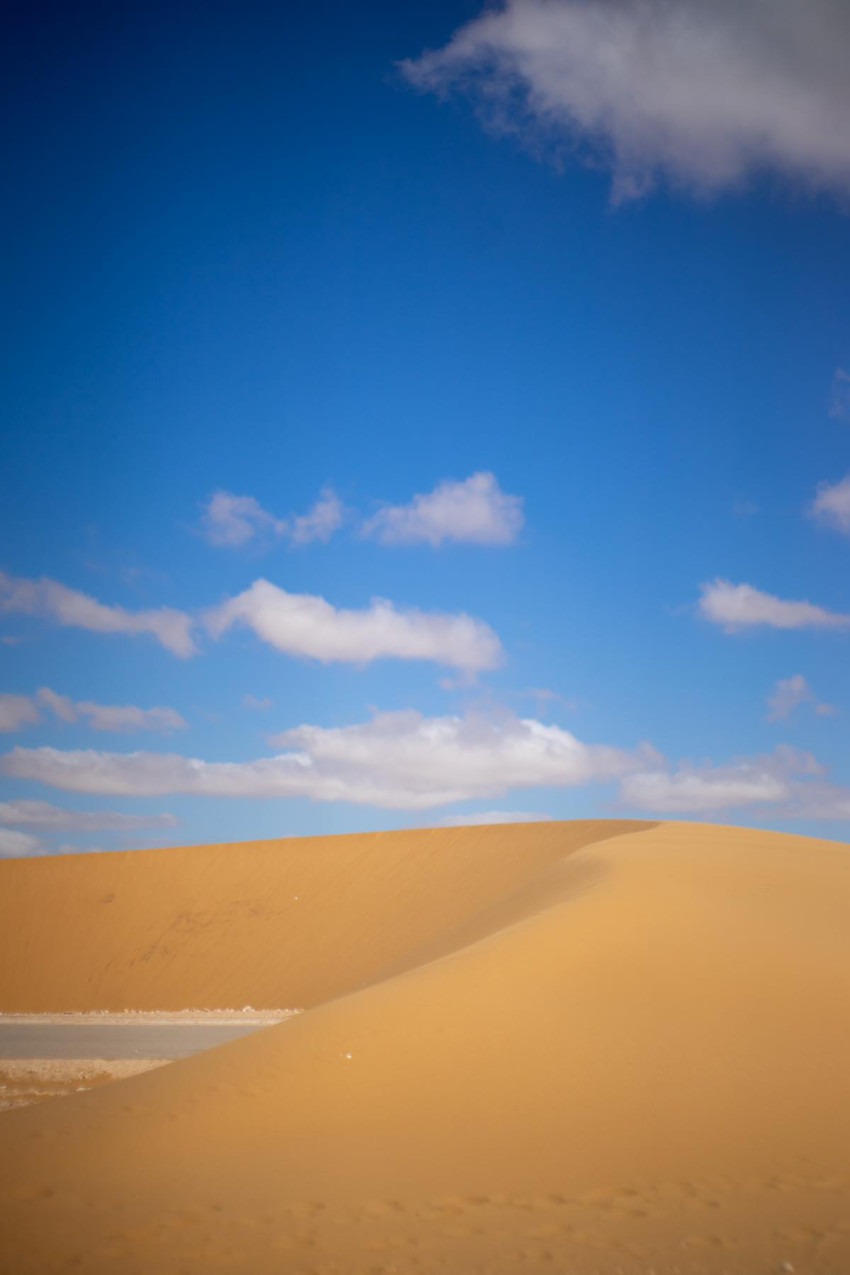
Endless sand, sun and hopes left behind.
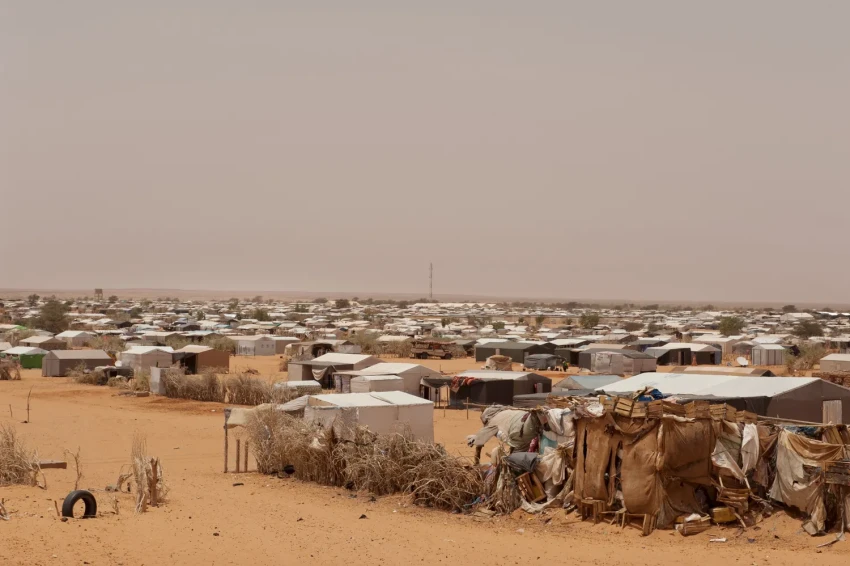
In the middle of the Sahara Desert stands M'berra Camp, one of the largest refugee camps in the world. There, where uprootedness and hostility characterise everyday life, a vibrant music scene is emerging that bridges cultural boundaries and restores dignity to people.
When Alhassane first picked up a guitar, he was still a boy in Timbuktu. His mother sang old Tuareg songs and played the imzad, a one-stringed violin played only by women. Music was not only a tradition for him, but also a source of comfort and home. But when the war in Mali escalated, armed groups arrived and terrorised the cities, forcing his family to flee. Music was banned by the Islamists.
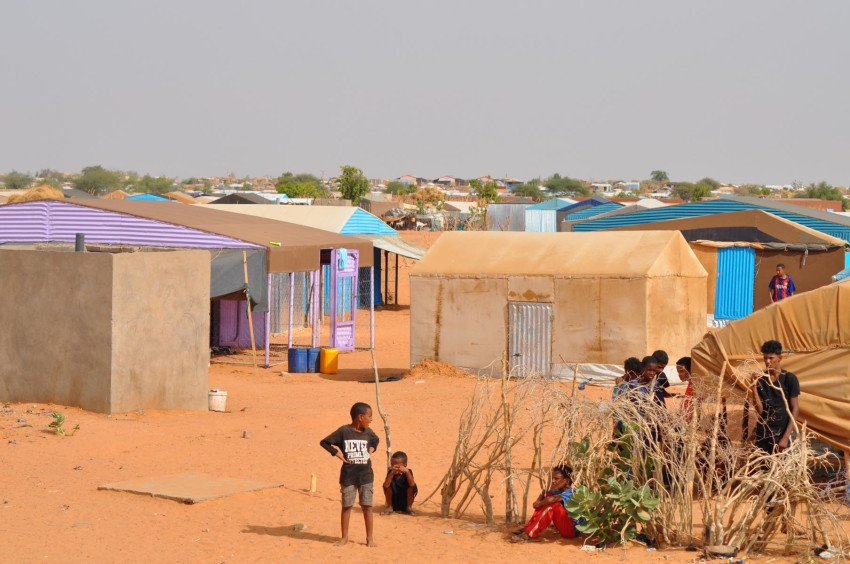
They walked through the desert for days until they reached the M'berra camp in Mauritania. The M'berra camp, once hastily erected, was only meant to be a temporary refuge – a place in the middle of nowhere, created to disappear soon.
But the people stayed, and the makeshift camp grew into a lively town.